How Tamarindo Fishing Captains Find Fish Offshore
Inside the Strategy Behind Successful Deep Sea Fishing in Tamarindo Costa Rica
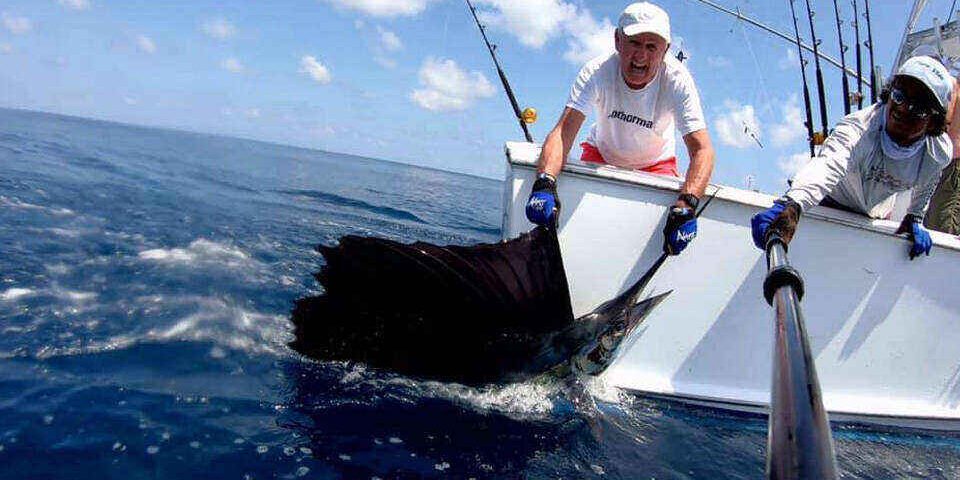
Every angler dreams about the moment when a reel suddenly screams as a sailfish explodes behind the spread or a blue marlin crashes a trolling lure in deep Pacific water. While many visitors booking Tamarindo fishing charters focus on the excitement of fighting fish, few truly understand how much strategy, experience, and decision-making goes into actually finding fish offshore. Successful deep sea fishing Tamarindo trips are not based on luck alone.
Offshore captains constantly analyze changing ocean conditions, bait movement, water temperature, currents, bird activity, weather patterns, and seasonal migrations in order to consistently put anglers in productive water.
The Pacific waters off Tamarindo offer some of the best offshore fishing opportunities in Costa Rica. Located along the northern Pacific coast, Tamarindo provides relatively quick access to deep water where captains target sailfish, marlin, dorado, yellowfin tuna, and wahoo throughout the year.
For anglers booking Tamarindo offshore fishing charters, understanding how professional captains locate fish offshore adds a completely different level of appreciation to the experience. Every offshore trip becomes a constantly evolving search shaped by years of local knowledge and real-time ocean conditions.
At first glance, the Pacific Ocean may appear endless and empty. To experienced offshore captains, however, the ocean is full of clues.
Offshore Fishing Is a Moving Target
One of the biggest misconceptions about offshore fishing is the idea that fish remain in the same place every day. Pelagic species such as sailfish, marlin, and tuna are constantly moving through the Pacific following bait concentrations and favorable water conditions. Productive fishing areas may shift dramatically from one day to the next depending on:
- ocean currents
- wind direction
- water clarity
- bait movement
- temperature changes
- tides
- weather systems
This is why successful sport fishing in Tamarindo depends heavily on experienced captains who understand how offshore conditions evolve throughout the year.
Some mornings captains may begin fishing only a few miles offshore. On other days they may travel significantly farther searching for cleaner blue water or stronger bait activity. Offshore fishing is rarely predictable, which is exactly what makes it exciting.
The Day Starts Before the Boat Leaves the Dock
Professional captains running Tamarindo fishing charters begin preparing for offshore trips long before anglers arrive at the marina or beach pickup location. Offshore crews constantly gather information from multiple sources in order to build a plan before sunrise.
Most experienced captains review:
- satellite water temperature charts
- weather forecasts
- offshore wind conditions
- current movement
- recent fishing reports
- bird activity from previous trips
- moon phases
- tide movement
Captains also communicate with other trusted local boats to share general offshore information. While exact locations are rarely discussed openly, captains often exchange information regarding:
- water color
- bait concentrations
- floating debris
- tuna schools
- temperature breaks
This network of information helps crews make informed decisions before leaving shore.
Water Color Matters More Than Most Anglers Realize
One of the most important factors in deep sea fishing Tamarindo is water color.
Experienced captains pay close attention to transitions between:
- green water
- blue water
- dirty water
- clean offshore currents
Pelagic species generally prefer clean, oxygen-rich blue water where baitfish concentrate. Offshore captains are constantly searching for:
- current edges
- blue water lines
- temperature changes
- clean water pushing toward shore
These water transitions often attract baitfish, which in turn attract predators such as:
- sailfish
- marlin
- tuna
- dorado
Sometimes a difference of only a few degrees in water temperature can completely change offshore fishing conditions.
Birds Are One of the Best Offshore Indicators
Bird activity is one of the most valuable tools offshore captains use while running Tamarindo offshore fishing charters.
Different bird species behave differently around feeding fish. Experienced captains carefully watch:
- frigate birds
- terns
- shearwaters
- diving birds
A single frigate bird circling high above the water may indicate sailfish tracking bait beneath the surface. Diving birds crashing aggressively into bait schools often signal tuna feeding activity below.
Many offshore bites begin because a captain notices subtle bird movement in the distance and changes course to investigate.
To inexperienced anglers, birds may seem random offshore. To experienced captains, they are one of the most important pieces of the puzzle.
Floating Debris Creates Offshore Ecosystems
Another major part of successful sport fishing in Tamarindo involves locating floating structure offshore.
Objects such as:
- logs
- weed patches
- floating debris
- current lines
often attract baitfish seeking shelter in open water. Predatory species quickly gather nearby looking for feeding opportunities.
Dorado especially love floating debris. Offshore captains frequently investigate:
- floating tree limbs
- driftwood
- weed mats
- trash lines
because these areas can hold surprising amounts of life.
Sometimes a single floating log offshore may produce:
- multiple dorado
- tuna schools
- sailfish nearby
Finding productive debris offshore often creates some of the most exciting moments of the trip.
How Captains Use Ocean Currents
Ocean currents are one of the most important components of offshore fishing success.
Currents influence:
- water temperature
- bait movement
- oxygen levels
- water clarity
- feeding behavior
Captains running deep sea fishing Tamarindo charters constantly search for current edges where different water masses collide. These transition zones create ideal feeding opportunities for pelagic predators.
Strong offshore current movement can push nutrient-rich water toward the surface, attracting:
- baitfish
- squid
- flying fish
- tuna
- billfish
Understanding how offshore currents behave seasonally is one of the biggest advantages experienced local captains possess.
Trolling Offshore Is a Constant Search Process
Trolling is the primary technique used during most Tamarindo fishing charters, but successful trolling involves much more than simply dragging lures behind the boat.
Captains constantly adjust:
- trolling speed
- lure placement
- teaser position
- trolling direction
- bait presentation
based on offshore conditions.
Experienced crews carefully watch every lure in the spread looking for:
- bait movement
- fish following
- weed interference
- lure action
Some captains prefer larger teaser spreads targeting marlin, while others focus on smaller, faster setups for sailfish and tuna.
Every offshore trolling spread is designed intentionally.
Why Teasers Are So Important
Teaser fishing has become one of the most exciting aspects of modern Tamarindo offshore fishing charters.
Teasers are large hookless artificial presentations designed to imitate schools of baitfish. Their purpose is to attract pelagic predators close to the boat before presenting a hooked bait.
When a sailfish or marlin charges the teaser:
- the teaser is pulled away
- the angler presents a pitch bait
- the fish attacks near the surface
This creates incredible visual fishing action.
Many of the most exciting billfish moments happen only feet behind the transom.
Tuna Fishing Requires Constant Observation
Yellowfin tuna are highly mobile predators that often feed aggressively near the surface. Captains targeting tuna constantly monitor:
- bird activity
- dolphin schools
- surface feeding
- bait concentrations
Large tuna schools can move quickly offshore, requiring captains to react immediately.
Some tuna fishing days involve:
- trolling
- live bait fishing
- chunking bait
- casting to surface schools
The strategy changes constantly depending on fish behavior.
Weather Plays a Major Role Offshore
Weather conditions dramatically influence offshore fishing success.
Captains must constantly evaluate:
- wind speed
- swell direction
- cloud cover
- storm activity
- barometric pressure
Changing weather patterns can influence:
- bait movement
- fish depth
- current direction
- offshore water clarity
Experienced captains know how to adjust fishing strategies throughout the day as conditions evolve.
Seasonal Patterns Matter in Tamarindo
One reason sport fishing in Tamarindo remains productive year-round is the variety of seasonal offshore opportunities available throughout the year.
December Through April
Often known for:
- strong sailfish action
- calmer ocean conditions
- excellent dorado fishing
May Through August
Commonly produces:
- stronger marlin fishing
- active tuna schools
- productive offshore current movement
September Through November
Can offer:
- quality tuna fishing
- dorado around debris
- less offshore pressure
- changing current patterns
Understanding seasonal fish behavior is essential for successful offshore fishing.
Technology Has Changed Offshore Fishing
Modern offshore fishing relies heavily on technology.
Many Tamarindo fishing charters now use:
- advanced GPS systems
- radar
- sonar
- fish finders
- satellite temperature charts
These tools help captains:
- locate bait schools
- monitor depth changes
- track current movement
- identify offshore structure
Technology improves efficiency, but local experience still remains the most valuable advantage offshore.
Local Knowledge Matters More Than Anything
The most successful offshore captains are not simply boat operators. They are professionals who spend thousands of hours studying:
- fish migration patterns
- seasonal conditions
- offshore currents
- bait behavior
- local Pacific conditions
Two captains may fish the same general offshore area with completely different results depending on their experience and decision-making.
This is why choosing experienced local crews is so important when booking deep sea fishing Tamarindo charters.
Offshore Fishing Is About Adaptation
No offshore fishing day ever unfolds exactly as planned.
Captains constantly adapt to:
- changing water color
- bait movement
- current shifts
- weather conditions
- fish behavior
Successful offshore fishing depends on making smart decisions throughout the day rather than blindly following a single plan.
Sometimes the best fishing occurs in unexpected areas simply because a captain recognized small changes in offshore conditions and reacted quickly.
Why Tamarindo Remains One of Costa Rica’s Top Offshore Fishing Destinations
Tamarindo continues attracting anglers from around the world because of:
- quick access to offshore water
- year-round fishing opportunities
- experienced captains
- diverse pelagic species
- modern fishing boats
- beautiful Pacific scenery
Whether targeting:
- sailfish
- marlin
- tuna
- dorado
- wahoo
the offshore waters surrounding Tamarindo consistently produce exciting opportunities for anglers of all experience levels.
The Real Difference Between Average and Great Offshore Captains
The best offshore captains are constantly thinking ahead.
They anticipate:
- where bait may move
- how currents are shifting
- when fish behavior may change
- where productive water may develop later in the day
This ability to interpret the ocean separates truly experienced captains from average operators.
When anglers experience an incredible offshore bite, they are often seeing the result of years of accumulated local knowledge combined with real-time decision making offshore.
Experience Professional Offshore Fishing in Tamarindo Costa Rica
From watching frigate birds circle bait offshore to seeing sailfish crash teasers behind the boat, every deep sea fishing Tamarindo trip is shaped by strategy, experience, and constantly changing Pacific conditions. Successful Tamarindo offshore fishing charters involve far more than simply heading offshore and hoping for luck. The captains behind the best sport fishing in Tamarindo experiences spend years learning how to read the ocean, interpret offshore conditions, and consistently locate productive fishing grounds for their anglers.