Offshore vs Inshore Fishing in Tamarindo Costa Rica
Offshore vs Inshore Fishing in Tamarindo: Which Fishing Charter Is Right for You?
Discover the Best Fishing Experience on Costa Rica’s Gold Coast
Tamarindo is one of Costa Rica’s most popular beach destinations, known for its beautiful coastline, world-class surfing, luxury resorts, and exceptional sportfishing. Every year, thousands of anglers travel to this vibrant town to experience some of the most productive fishing grounds on the Pacific coast. Whether you’re hoping to battle a trophy marlin offshore or catch your first roosterfish along the rocky shoreline, Tamarindo fishing charters offer unforgettable adventures for anglers of every skill level.
One of the first decisions visitors face when planning a fishing trip is choosing between offshore fishing Tamarindo Costa Rica and inshore fishing Tamarindo Costa Rica. While both options provide exciting action and experienced local crews, each offers a completely different experience on the water.
Understanding the differences between offshore and inshore fishing will help you select the charter that best fits your goals, budget, group size, and fishing experience.
What Is Offshore Fishing?
Offshore fishing, sometimes called deep sea fishing, takes place well beyond the coastline.
Most offshore fishing Tamarindo Costa Rica charters travel between 15 and 40 miles offshore, depending on where fish are feeding and current ocean conditions.
Captains search for warm blue water, temperature breaks, current lines, floating debris, bird activity, and schools of baitfish that attract large pelagic species.
The extra travel time allows anglers to target some of the Pacific Ocean’s most sought-after game fish.
Target Species Offshore
Offshore fishing offers the opportunity to catch some of the largest and most powerful fish found in Costa Rica.
Popular species include:
- Pacific sailfish
- Blue marlin
- Black marlin
- Striped marlin
- Yellowfin tuna
- Dorado (mahi-mahi)
- Wahoo
Many of these fish are capable of long, powerful runs and spectacular aerial displays that make offshore fishing famous around the world.
What Is Inshore Fishing?
Unlike offshore charters, inshore fishing Tamarindo Costa Rica takes place much closer to land.
Fishing typically occurs within a few miles of the coastline around reefs, rocky points, islands, beaches, and river mouths.
Because boats spend less time traveling, anglers begin fishing shortly after leaving the marina or beach.
Inshore trips are popular with families, beginners, photographers, and anglers who enjoy light-tackle fishing.
Target Species Inshore
Although inshore fish may not reach the enormous size of marlin, they provide exciting action and extremely powerful fights.
Common species include:
- Roosterfish
- Cubera snapper
- Red snapper
- Sierra mackerel
- Spanish mackerel
- Jack crevalle
- Grouper
- Needlefish
- Bonito
The diversity of species means anglers often catch several different fish during a single trip.
Roosterfish: Tamarindo’s Most Popular Inshore Species
For many anglers, the highlight of an inshore charter is the opportunity to catch a roosterfish.
Recognized by its long, comb-like dorsal fin, the roosterfish is one of Costa Rica’s most iconic game fish.
These powerful predators patrol rocky shorelines and sandy beaches while hunting schools of baitfish.
Their explosive strikes and powerful runs make them one of the most exciting fish available on light tackle.
Roosterfish are protected as a catch-and-release species, helping preserve this incredible fishery for future generations.
Comparing Offshore and Inshore Fishing
While both trips offer unforgettable experiences, they differ in several important ways.
Travel Time
Offshore fishing generally requires a longer run before reaching productive waters.
Depending on conditions, boats may travel one to two hours before lines enter the water.
Inshore charters usually begin fishing within 15 to 30 minutes after departure.
For anglers who prefer spending more time actively fishing, inshore trips offer a significant advantage.
Ocean Conditions
Another important difference is sea conditions.
Because offshore boats travel farther into the Pacific Ocean, waves and swells may be larger.
Although experienced captains select the safest routes possible, offshore trips can sometimes feel rougher than fishing close to shore.
Inshore waters are generally calmer, making them an excellent choice for:
- Families
- Children
- Seniors
- First-time anglers
Charter Duration
Most Tamarindo fishing charters offer several trip lengths.
Inshore Fishing
Half Day
- Approximately 4 to 5 hours
Full Day
- Approximately 8 hours
Offshore Fishing
Three-Quarter Day
- Approximately 7 hours
Full Day
- Approximately 9 to 10 hours
Longer offshore trips provide enough time to reach productive blue-water fishing grounds.
Boat Sizes for Inshore Fishing
Most inshore charters operate aboard center console boats that offer speed, stability, and plenty of fishing space.
23 to 26 Foot Center Consoles
Ideal for:
- Couples
- Small families
- Two to four anglers
Typical features include:
- Twin outboard engines
- Live bait wells
- GPS navigation
- Fish finder
- T-top shade
- Premium fishing tackle
Typical pricing:
Half Day
$550–$700
Full Day
$800–$1,000
27 to 30 Foot Center Consoles
Popular for anglers wanting additional comfort.
Features often include:
- Larger casting deck
- More seating
- Additional storage
- Higher cruising speeds
- Better ride in rougher water
Average pricing:
Half Day
$700–$900
Full Day
$1,000–$1,300
Boat Sizes for Offshore Fishing
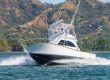
Offshore fishing requires larger vessels capable of traveling safely to distant fishing grounds.
30 to 35 Foot Sportfishing Boats
These boats typically include:
- Covered cockpit
- Marine restroom
- Comfortable seating
- Outriggers
- Fish finder
- GPS
- Fighting chair
- Professional trolling equipment
Typical pricing:
Three-Quarter Day
$1,300–$1,700
Full Day
$1,700–$2,300
36 to 45 Foot Convertible Sportfish
These are among the most popular offshore boats in Tamarindo.
Amenities often include:
- Air-conditioned salon
- Full bathroom
- Kitchen
- Refrigerator
- Comfortable indoor seating
- Premium electronics
- Large fishing cockpit
- Tournament-quality tackle
Typical pricing:
Full Day
$2,400–$3,500
Luxury 46 to 60 Foot Sportfishing Yachts
Visitors looking for maximum comfort often choose one of Tamarindo’s luxury offshore vessels.
Features may include:
- Multiple air-conditioned cabins
- Full galley
- Spacious salon
- Private staterooms
- Ice maker
- Luxury seating
- Advanced sonar
- High-end fishing equipment
Typical pricing:
$3,500 to over $5,500 depending on the vessel and season.
What’s Included on Most Fishing Charters?
Most professional Tamarindo fishing charters provide nearly everything needed for a successful day on the water.
Standard inclusions usually consist of:
- Experienced captain
- Professional mate
- Fuel
- Premium rods and reels
- Live bait when available
- Artificial lures
- Ice
- Bottled water
- Soft drinks
- Fresh fruit
Many full-day charters also include lunch, while luxury offshore boats frequently offer additional refreshments, snacks, and upgraded amenities.
Which Trip Is Best for You?
Choosing between offshore and inshore fishing ultimately depends on the kind of experience you’re looking for.
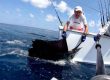
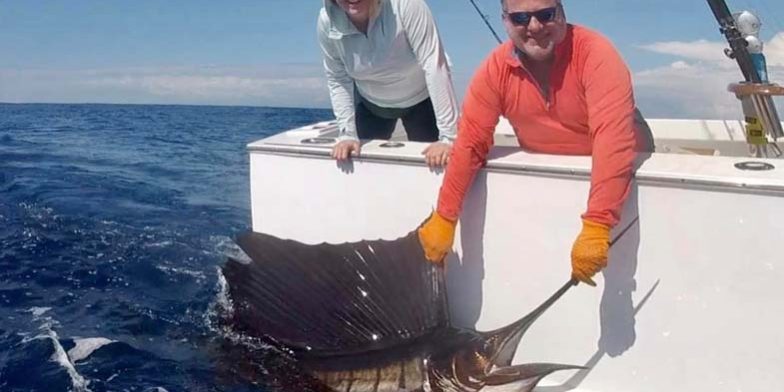
If your dream is to battle a sailfish, marlin, or yellowfin tuna in the open Pacific, an offshore charter offers an unforgettable challenge and the opportunity to catch some of the ocean’s most prized game fish.
On the other hand, if you prefer more action, calmer water, shorter travel times, and the chance to target roosterfish, snapper, and jack crevalle along Costa Rica’s spectacular coastline, an inshore adventure may be the perfect choice. Both experiences showcase the incredible diversity of Guanacaste’s marine ecosystem and provide lasting memories for anglers of all experience levels.
Fishing Techniques Used on Offshore and Inshore Charters
Professional captains in Tamarindo adjust their fishing strategy throughout the day based on weather conditions, tides, water temperature, bait activity, and the species they are targeting. Whether you’re fishing a few hundred yards from the shoreline or many miles offshore, using the right technique can make all the difference.
Offshore Fishing Techniques
Most offshore fishing Tamarindo Costa Rica charters rely on trolling as the primary method for targeting pelagic game fish.
Captains typically deploy a spread of teasers, artificial lures, rigged ballyhoo, or other natural baits behind the boat while searching productive blue-water areas.
When fish are located, crews may also switch to:
- Live bait fishing
- Pitch baiting
- Casting to feeding tuna
- Kite fishing on larger sportfishing boats
These techniques are especially effective when targeting sailfish, marlin, dorado, yellowfin tuna, and wahoo.
Inshore Fishing Techniques
On an inshore fishing Tamarindo Costa Rica charter, captains use a wider variety of techniques depending on the location and target species.
Popular methods include:
- Live bait fishing
- Topwater popping
- Casting stickbaits
- Vertical jigging
- Slow trolling
- Bottom fishing around reefs
Live bait is especially productive for roosterfish, while jigging around rocky structure often produces cubera snapper, grouper, and amberjack.
Many anglers enjoy the more hands-on nature of inshore fishing because it involves actively casting and retrieving lures rather than waiting for trolling rods to go off.
Best Time of Year for Fishing in Tamarindo
One of the greatest advantages of Costa Rica is that excellent fishing is available throughout the year.
While certain species are more abundant during specific months, there is never a bad time to book a charter.
Offshore Fishing Seasons
Although pelagic species can be caught year-round, seasonal patterns generally include:
- Pacific Sailfish: November through April
- Blue Marlin: May through October
- Black Marlin: Summer through early fall
- Yellowfin Tuna: Year-round
- Dorado (Mahi-Mahi): Rainy season and after offshore storms
- Wahoo: Common throughout much of the year
Captains monitor daily ocean conditions rather than relying solely on seasonal trends, giving anglers an excellent chance of success regardless of when they visit.
Inshore Fishing Seasons
The inshore fishery remains productive every month.
Some of the most sought-after species include:
- Roosterfish
- Cubera snapper
- Jack crevalle
- Sierra mackerel
- Spanish mackerel
- Grouper
Because these fish live close to shore, they can be targeted throughout the year with consistently good results.
Wildlife You’ll See During Your Charter
Fishing isn’t the only highlight of spending the day on the Pacific Ocean.
Many guests are amazed by the incredible marine wildlife they encounter during their trip.
Common sightings include:
- Bottlenose dolphins
- Spinner dolphins
- Sea turtles
- Manta rays
- Flying fish
- Brown boobies
- Frigate birds
- Pelicans
During migration season, humpback whales are also frequently seen along the Guanacaste coastline, providing unforgettable moments between fishing action.
Sample Inshore Fishing Itinerary
A typical inshore charter follows a relaxed schedule that maximizes fishing time.
Morning Departure
- 6:45–7:00 AM – Meet the captain.
- 7:00 AM – Leave the beach or marina.
- 7:15 AM – Begin fishing rocky coastline and reefs.
- Mid-morning – Continue targeting roosterfish, snapper, and jacks.
- Return around noon for half-day trips.
Full-day charters continue exploring additional beaches, islands, reefs, and remote fishing areas before returning later in the afternoon.
Sample Offshore Fishing Itinerary
Offshore trips require additional travel but reward anglers with access to world-class blue-water fishing.
Typical schedule:
- 6:30 AM – Meet the crew.
- 7:00 AM – Departure.
- Cruise offshore to productive fishing grounds.
- Troll for sailfish, marlin, tuna, dorado, and wahoo.
- Lunch served onboard during full-day trips.
- Return between 4:00 PM and 5:00 PM.
The longer schedule provides enough time to explore multiple offshore areas if conditions change.
Which Charter Is Better for Families?
Families visiting Tamarindo often choose an inshore trip.
The calmer water, shorter travel time, and steady fishing action make it an excellent option for:
- Children
- First-time anglers
- Multi-generational families
- Guests who are concerned about seasickness
Many children catch their very first game fish while fishing close to shore.
The excitement of landing a roosterfish or snapper creates memories that last a lifetime.
Which Charter Is Better for Experienced Anglers?
Experienced fishermen often prefer offshore charters because they provide the opportunity to pursue bucket-list species like sailfish, marlin, and large yellowfin tuna.
The challenge of fighting these powerful fish, combined with the expertise required to locate them, creates one of the world’s premier sportfishing experiences.
Many serious anglers even schedule multiple offshore trips during a single vacation to maximize their opportunities.
What Should You Bring?
Although most Tamarindo fishing charters provide rods, reels, bait, tackle, drinks, and safety equipment, bringing a few personal items will help you stay comfortable.
Recommended items include:
- Lightweight fishing clothing
- Hat
- Polarized sunglasses
- Reef-safe sunscreen
- Camera
- Motion sickness medication if needed
- Non-slip shoes
- Waterproof phone case
- Small dry bag
Most full-day charters also include lunch, while luxury boats may provide additional refreshments.
Tips for First-Time Anglers
If you’ve never been sportfishing before, don’t worry.
Professional captains and mates work with beginners every day and will gladly explain each step of the process.
A few helpful tips include:
- Listen carefully during the safety briefing.
- Stay hydrated.
- Wear sun protection.
- Ask questions.
- Be patient.
- Enjoy the scenery between bites.
Fishing conditions change daily, and every trip offers a unique adventure.
Why Tamarindo Continues to Attract Anglers from Around the World
Tamarindo combines exceptional fishing with beautiful beaches, luxury accommodations, excellent restaurants, and a relaxed atmosphere.
Visitors can spend one day battling sailfish offshore and the next exploring nearby reefs in search of roosterfish.
Very few destinations offer such incredible diversity within such a short distance of shore.
This versatility makes Tamarindo one of Costa Rica’s premier sportfishing destinations for families, experienced anglers, and first-time visitors alike.
Frequently Asked Questions
Can beginners go offshore fishing?
Absolutely. Professional crews provide instruction throughout the trip, making offshore fishing accessible even for first-time anglers.
Is inshore fishing good for children?
Yes. Shorter travel times and calmer waters make inshore trips one of the best family-friendly fishing experiences in Costa Rica.
Which trip offers the best chance of catching a trophy fish?
Offshore charters provide opportunities to target larger pelagic species such as marlin and sailfish, while inshore charters are ideal for anglers hoping to catch trophy roosterfish and large cubera snapper.
Do I need to bring fishing equipment?
No. Nearly all professional charter operators supply high-quality rods, reels, bait, tackle, and safety equipment.
Can I keep the fish?
Species such as sailfish and marlin are almost always released to support Costa Rica’s conservation efforts. Depending on local regulations, fish like tuna, dorado, and snapper may be kept, and many local restaurants will prepare your fresh catch.